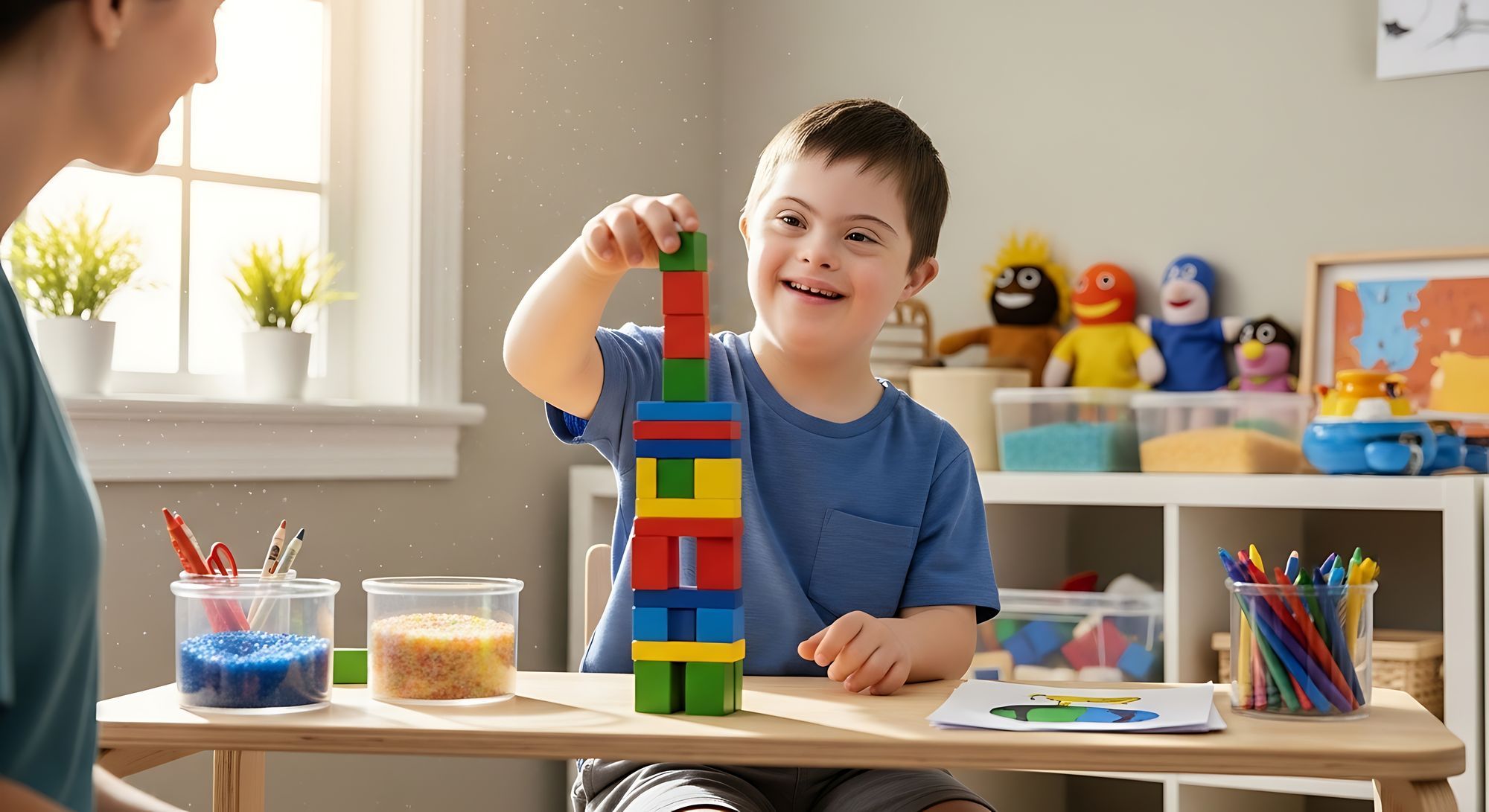

Understanding Applied Behavior Analysis

Applied Behavior Analysis is a scientific approach to understanding learning and behavior. ABA helps individuals build meaningful skills and reduce behaviors that interfere with daily life. At Novus, ABA reflects our belief that every person deserves dignity, independence, and the least intrusive, most effective support possible. The principles below outline how behavior works and how ABA can promote meaningful, lasting change.

star-icon
star-icon
star-icon
star-icon
star-icon

Rated 5.0/5.0 based on 32 reviews

We accept all major insurances

icon1 (1)
icon2
icon3 (1)
random 60
random 63
Waves Ryan

What Is ABA?

ABA is the evidence-based application of learning and motivation principles to teach new skills and support positive behavior. ABA focuses on the relationship between behavior and the environment, allowing us to understand why behaviors occur and how to encourage positive change. ABA recognizes that every person’s needs, strengths, and goals are unique, and that meaningful progress begins with a thorough assessment of current skills and environmental supports . This individualized approach reflects Novus’ commitment to quality, person centered care that promotes independence and measurable outcomes.

The ABCs of Behavior

ABA uses the ABC model to understand behavior in context:

  • Antecedent: What happens before a behavior (the trigger). It may include instructions, events, or environmental cues.

  • Behavior: What a person does that can be observed and measured.

  • Consequence: What happens after the behavior (the outcome or payoff)

By looking at behavior through this lens, we can identify the function—or “why”—behind an action. For example, a child may yell for an iPad at a restaurant because in the past, yelling led to them getting it. Understanding the “why” helps us change both the environment and the response, teaching more appropriate ways to ask for what they want.

Why Behavior Happens

Behaviors occur for predictable reasons. Understanding these functions helps caregivers and clinicians teach meaningful alternatives and create environments that support success. Common behavior functions include:

  • Attention: Seeking interaction or acknowledgment from others.

  • Access: Trying to obtain preferred items, activities, or experiences.

  • Escape/Avoidance: Attempting to get away from tasks, demands, or discomfort.

  • Sensory Needs: Seeking or reducing certain sensory experiences.

Once we know the purpose of a behavior, we can teach healthier, more effective alternatives. For example, if a child avoids playing with peers because they fear losing their toys, ABA can help them learn social skills like taking turns, asking for a toy, or discovering how playing together can be fun.

How ABA Helps

ABA is highly individualized. Treatment goals are based on assessment data and focus on skills that meaningfully improve daily functioning. Progress is monitored continuously so strategies remain effective and aligned with the individual’s long term goals . ABA may support growth in areas such as:

  • Communication skills, including expressing needs and engaging in conversations.

  • Daily living skills such as dressing, eating, toileting, and personal organization.

  • Social skills that promote meaningful relationships and community participation.

  • Building independence across home and community environments.

  • Reducing problem behaviors that interfere with learning or daily activities.

  • Data driven decision making to ensure consistent, measurable progress.

Treatment always begins with a thorough assessment to identify baseline skills, challenges, and what motivates the individual. From there, goals are tailored to be developmentally appropriate, meaningful, and aligned with long-term independence.

ABA is data driven, meaning progress is tracked continuously. This ensures strategies are effective, adjustments are made as needed, and families can see measurable change.

Basic Principles for Behavior Success

While ABA plans are individualized, a few universal principles guide effective behavior change:

  • Arrange the environment to support positive behavior.

  • Reinforce what you want to see more of.

  • Provide clear expectations and follow through consistently

  • Always prioritize positive, least-intrusive strategies first.

These principles uphold the Novus commitment to dignity, respect, and ethical practice for all individuals we serve.

Why Choose ABA?

ABA is not a “one size fits all” therapy—it is customized to each person’s strengths, needs, interests, and family situation. It works because it breaks down big goals into manageable steps, teaching both individuals and caregivers how to create lasting change.

Whether the goal is learning to communicate, making friends, or living independently, ABA provides a structured, supportive path toward growth and independence.

Common Misconceptions About ABA

ABA is widely used, yet many misconceptions persist. Clarifying these helps families make informed decisions and understand how modern ABA reflects positive, collaborative, and individualized support consistent with ethical standards and client rights.

Misconception 1: ABA Is Only for Autism

Misconception: ABA is only relevant to individuals diagnosed with Autism or intellectual disabilities

ABA is a methodology that isn’t aligned with any specific treatment and has been successful with a multitude of disorders, disabilities, and behaviors

Misconception 2: ABA Only Addresses Problem Behavior

Misconception: ABA is only applicable to “problem behavior”

This is a common misconception, especially in school settings. ABA considers behavior to be any observable and measurable act and can include academic behaviors such as writing, computing math problems, self help skills, toileting, sleep problems and meal prep.

Misconception 3: ABA Equals Table Work or Discrete Trials Only

Misconception: ABA and discrete trial training are the same thing and always conducted at a table

Good programs use a variety of teaching methods including naturalistic or play-based teaching. Our sessions occur wherever the need is greatest and most relevant. For example, we want to practice social skills with peers at a playground not at a table with staff.

Misconception 4: Anyone Can Implement ABA

Misconception: Anyone can implement an ABA program

While it’s not uncommon to offer training to students or others who provide direct service (often in a discrete trial teaching format), there is an incredible danger to designing procedures without a comprehensive understanding of the principles of Applied Behavior Analysis.

Misconception 5: ABA Is Harmful or Rigid

Misconception: ABA is harmful for children, turns them into robots, and mostly consists of aversives

Some people have ideas about ABA that it involves a child being forced to sit in a chair for hours, or that programs are run very strictly, without giving children a chance to develop their personalities. This information is outdated or inaccurate. Table work should be conducted in a manner that is appropriate to the developmental level of the child and is fun. Also, applied behavior analysis focuses heavily on POSITIVE reinforcement and manipulation of the environment, rather than the individual.

Misconception 6: ABA Requires 40 Hours

Misconception: 40 hours per week are needed for ABA to have an effect

While it’s not uncommon to offer training to students or others who provide direct service (oftHours of therapy can be supplemented by parent training and having parents implement the principles during times therapy is not occurring. We aim to have highly focused quality services such that 40 hours a week are not warranted. ABA can be incredibly useful in situations where a child needs work in only one specific area, therapy can and should be individualized to suit the needs of that person.en in a discrete trial teaching format), there is an incredible danger to designing procedures without a comprehensive understanding of the principles of Applied Behavior Analysis.

Misconception 7: ABA Uses Bribery

Misconception: ABA only uses toys and food to bribe kids into doing things and gets them dependent on rewards

Reward: delivering a preferred item, or removing a non-preferred task or item following the appropriate behaviorBribe: waiting until the person is engaged in inappropriate behavior, then promising them a preferred item or removal of something non-preferredBehavior analysts do consider the use of edible rewards, but this will always be faded to introduce other rewards and naturally occurring reinforcers such as social praise and attention.

Waves Ryan x2

Frequently Asked Questions (FAQ)

What is Applied Behavior Analysis (ABA)?

ABA is a scientific approach that uses learning principles to help individuals build meaningful skills and reduce behaviors that interfere with daily life. It focuses on understanding the relationship between behavior and the environment.

Is ABA only for children with autism?

No. ABA is beneficial for people of many ages and diagnoses and has been shown to support learning across a wide range of skills and settings.

Does ABA only address challenging behaviors?

ABA supports both skill development and behavior reduction. It is commonly used to teach communication, social skills, self help skills, play, independent living skills, and daily routines.

What are the ABCs of behavior?

The ABC model includes Antecedent, Behavior, and Consequence. Identifying these helps clarify why behavior occurs and how to support change.

Why do behaviors happen?

Behaviors serve functions such as seeking attention, accessing preferred activities, escaping discomfort, or meeting sensory needs. Understanding function is essential for teaching meaningful alternatives.

Is ABA always done at a table or in a structured setting?

No. ABA can be naturalistic, play based, and community based. Effective programs take place where skills are most relevant.

Do individuals need 40 hours per week of ABA for progress?

Not necessarily. Effective treatment is individualized and based on assessment results, goals, and progress indicators.

Does ABA rely on toys or food as bribes?

ABA uses reinforcement, not bribery. Reinforcers are carefully chosen, ethically applied, and faded toward naturally occurring rewards.

Waves Ryan
