Helping Individuals Build Skills Where Life Happens
Learning does not happen in isolation. For most of us, growth comes from everyday experiences like getting ready in the morning, navigating conversations, or handling changes in plans. For children, adolescents, and adults with autism or other developmental disabilities, those same real-life moments offer the best opportunities for meaningful learning. That is why many families begin exploring ABA therapy services in Denver that focus on supporting development in the environments where daily life actually unfolds. When skills are practiced where they are used, they are more likely to feel relevant, useful, and lasting.
Rather than separating learning from life, this approach recognizes that progress happens through routine, repetition, and relationships. It meets individuals where they are, both emotionally and physically, and builds from there.
Why Everyday Environments Support Better Learning
Think about how you learned your own daily skills. You did not master cooking by reading instructions alone. You learned by standing in the kitchen, burning a few meals, and slowly getting better. The same principle applies to behavioral and developmental learning.
Familiar environments reduce stress. When someone already feels safe in a space, they can focus more energy on learning rather than adjusting to new surroundings. This is especially important for individuals who may already experience sensory challenges or anxiety in unfamiliar settings.
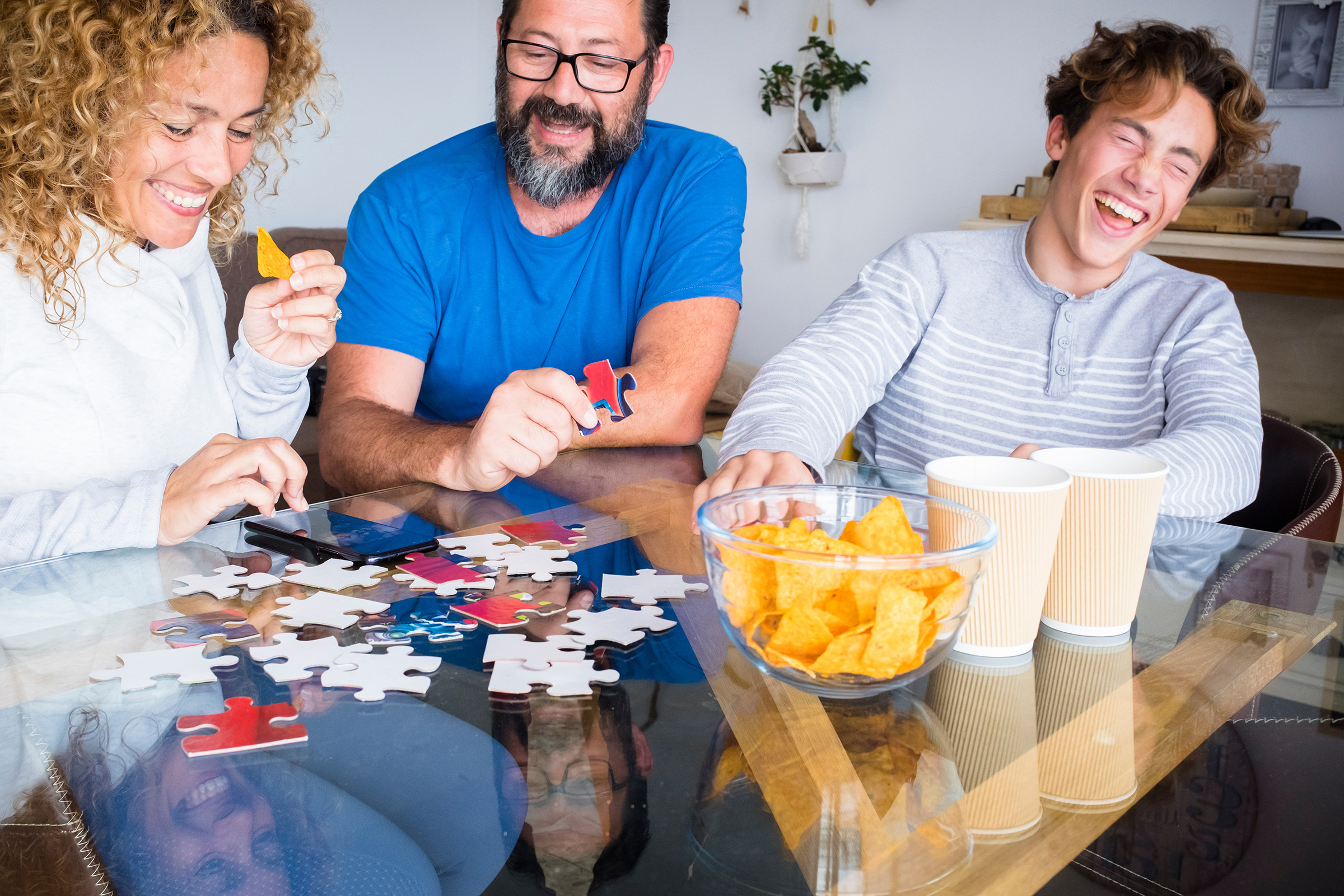
Learning at home or within the community also provides natural opportunities for practice. Communication can be encouraged during meals. Transitions can be worked on during real schedule changes. Social skills can be supported during play or family activities. These moments occur naturally, without needing to be created or simulated.
What’s more, everyday environments allow learning to generalize. A skill learned in context is more likely to show up again later, rather than staying limited to one setting.
What Applied Behavior Analysis Looks Like in Practice
Applied Behavior Analysis, often shortened to ABA, focuses on understanding how behavior connects to the environment. It looks at what supports positive behavior, what might be getting in the way, and how thoughtful adjustments can help individuals succeed.
Modern ABA is far from rigid. It is flexible, evolving, and deeply individualized. Goals are tailored to the person, not the other way around. Progress is tracked, but numbers are only part of the picture. Observations, communication, and emotional well-being all matter.
Sessions may involve structured activities, but they are often woven into daily routines. Learning how to ask for help, manage frustration, or complete a task independently can be part of everyday life rather than isolated exercises. The aim is practical progress that improves quality of life in ways that feel natural and respectful.
Importantly, ABA also values collaboration. Caregivers, family members, and clinicians work together to ensure strategies make sense and align with real needs. This shared approach often leads to smoother progress and greater confidence for everyone involved.
The Value of Support That Comes to You
One of the biggest advantages of in-home ABA therapy is the opportunity to work with real situations as they happen. Instead of trying to recreate challenges in a different setting, support can focus on the exact moments that matter most.
Daily routines become learning opportunities. Morning transitions, mealtime communication, emotional regulation during unexpected changes, and social interactions with family members can all be addressed in context. This makes learning more immediate and meaningful.
Home-based support also helps caregivers feel more involved and informed. Rather than receiving instructions secondhand, families see strategies in action. They learn what works, why it works, and how to continue supporting progress between sessions. Over time, this shared understanding can reduce stress and increase confidence.
Plus, learning in a familiar environment often feels less intimidating for the individual receiving support. When pressure decreases, engagement tends to increase.
Progress Looks Different for Everyone
There is no single definition of success. Progress looks different depending on age, needs, and goals.
For a young child, progress may involve learning to communicate wants more clearly or tolerate changes in routine. For adolescents, it might focus on emotional regulation, social understanding, or independence. Adults may work on daily living skills, self-advocacy, or preparing for employment.
It is also important to remember that progress is rarely linear. Some days feel productive. Others feel challenging. Setbacks are not failures. They are often signs that an approach needs adjustment or additional support.
Flexibility is key. Effective support adapts to growth, preferences, and changing circumstances. Celebrating small wins helps maintain motivation and builds confidence over time.
Respect and Dignity as the Foundation
At its core, effective support is rooted in respect. Individuals are not defined by challenges. They are people with unique interests, personalities, and strengths.
Support that honors dignity prioritizes choice, communication, and comfort. It avoids forcing progress and instead focuses on collaboration. When individuals feel respected and understood, learning becomes more meaningful.
Respect also extends to families. Clear communication, realistic expectations, and shared problem-solving help create a supportive experience rather than an overwhelming one.
Building Skills That Carry Into Everyday Life
The ultimate goal of skill building is not perfection. It is participation—being able to engage more fully in daily life, communicate needs, handle change, and feel more independent.
When learning happens where life happens, skills have a greater chance of sticking. They become part of routine rather than something that exists only during scheduled sessions. Over time, these skills support greater confidence, reduced frustration, and stronger relationships.
Moving Forward With Confidence
Choosing the right support is an important decision. Families benefit from approaches that recognize the value of real-life learning, collaboration, and flexibility. When support fits naturally into daily routines, progress often feels less forced and more sustainable.
For those interested in evidence-based services that prioritize dignity, partnership, and learning in familiar environments, exploring support options with Novus Behavior Associates can be a meaningful next step.