How Family Involvement Supports ABA Therapy Progress
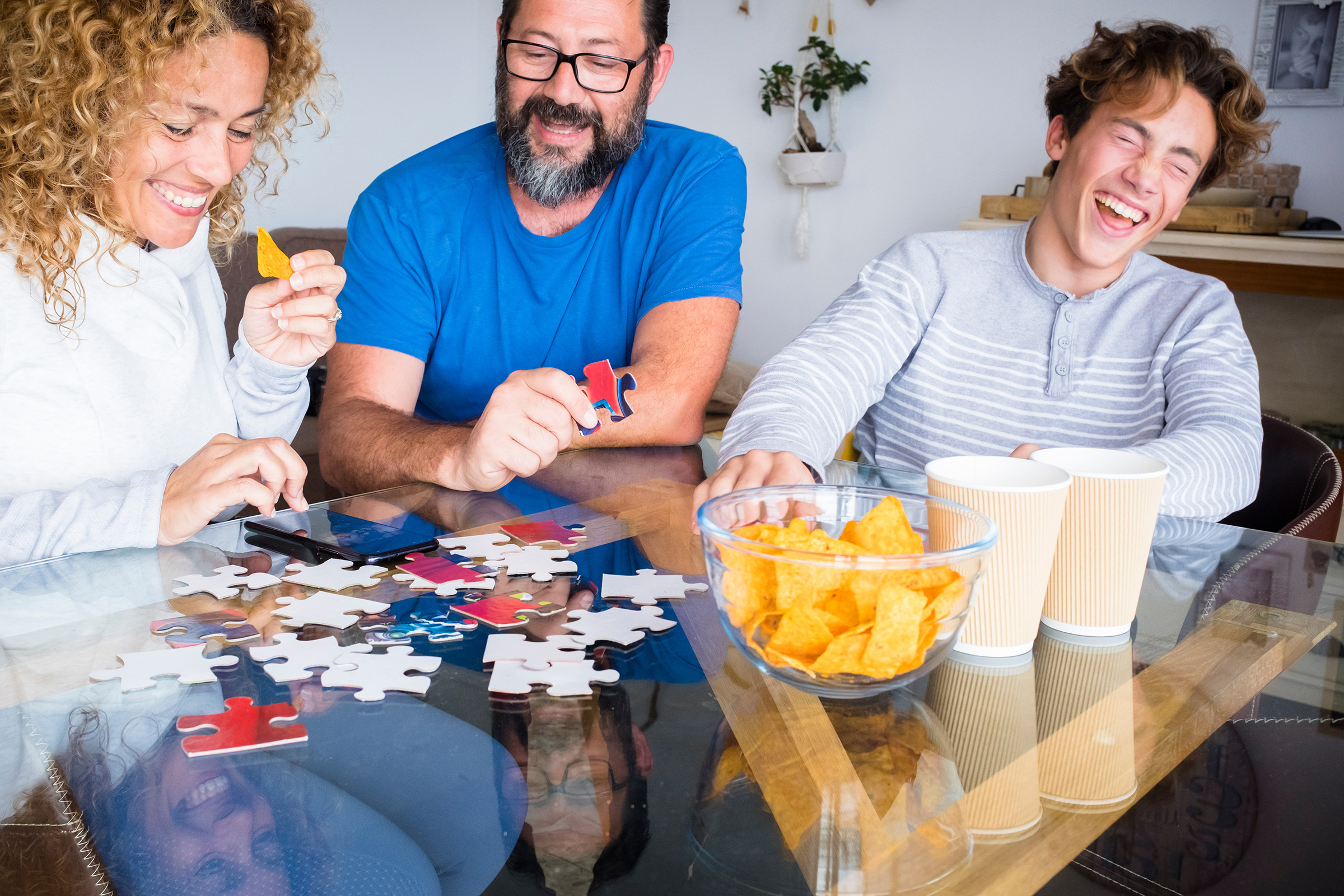
Families play a much bigger role in progress than many people initially realize. While structured sessions matter, meaningful learning often happens during everyday moments like getting dressed, sharing meals, or playing together. That’s why families exploring ABA therapy for children in Highlands Ranch often notice stronger progress when caregivers are actively involved. Skills practiced in familiar settings tend to carry over more naturally because they are used in real life, not just during scheduled appointments.
Learning does not stop when sessions end
One of the most common misunderstandings about ABA therapy is that learning only happens during formal sessions. In reality, learning continues throughout the day. Children are constantly responding to routines, interactions, and expectations, whether adults are actively teaching or not.
When caregivers understand learning goals, they can support progress without adding pressure. Simple moments become opportunities. Waiting briefly for a response. Encouraging communication during play. Offering choices instead of instructions. These small adjustments help learning feel natural rather than forced.
Plus, children often feel most comfortable learning with people they trust. Familiar voices and routines reduce stress, allowing attention to focus on growth instead of managing anxiety.
Consistency matters more than doing everything perfectly
Many caregivers worry about doing things the right way. The truth is that consistency matters far more than perfection. Responding to behaviors in similar ways throughout the day helps children understand expectations and reduces confusion.
Consistency also supports skill generalization. When expectations are similar across home, school, and community settings, children are more likely to use skills independently. This helps learning transfer beyond one environment and into daily life.
Progress does not require constant teaching. It comes from steady, predictable responses over time.
Why caregiver guidance strengthens progress
This is where parent training ABA therapy becomes especially valuable. Caregivers are not expected to figure everything out on their own. Training provides clear explanations, modeling, and feedback that fit into daily routines.
For example, caregivers might learn how to support communication during snack time or reduce stress during transitions. These strategies are practical and flexible, not rigid scripts. They evolve as children grow and as family routines change.
What’s more, caregiver guidance often focuses on building confidence. Understanding why strategies work helps adults respond calmly and consistently, which children tend to notice and respond to positively.
Everyday routines become learning opportunities
Some of the most meaningful learning happens during routines that already exist. Mealtime can support requesting. Playtime encourages turn-taking. Getting ready for bed helps build sequencing and independence.
Because these routines happen daily, learning does not feel like an extra task. It becomes part of life. Over time, children begin to use skills more independently because they practice them in situations that matter to them.
Families often report that this approach feels more sustainable. Progress happens alongside responsibilities rather than competing with them.
Emotional growth matters as much as skill building
ABA therapy is not only about teaching tasks. Emotional regulation and communication are equally important. Caregivers play a key role here because they understand their child’s emotional cues better than anyone else.
Recognizing early signs of frustration allows caregivers to respond before behaviors escalate. Offering support at the right moment helps children feel understood rather than corrected. That emotional safety supports trust and learning.
Over time, children learn that communication works. They experience success expressing needs, which can reduce challenging behaviors naturally.
Siblings and extended family influence learning too
Family involvement extends beyond parents or primary caregivers. Siblings often become natural learning partners, especially during play. With gentle guidance, siblings can support skill development in ways that feel natural and fun.
Extended family members also benefit from understanding learning goals and strategies. When everyone responds in similar ways, children receive clearer feedback and feel more secure.
Shared understanding across caregivers reduces mixed messages and supports smoother daily routines.
When challenges show up at home
Even with strong family involvement, challenges still happen. Fatigue, stress, and unexpected changes can affect how well strategies work on any given day. That is normal.
Some days focus on progress. Other days focus on maintenance. Flexibility keeps expectations realistic and prevents burnout. Caregivers benefit from knowing that setbacks are part of learning, not signs of failure.
Open communication and adjustment help families stay supported rather than discouraged.
Progress looks different for every family
Progress does not look the same for everyone. For some families, success means fewer meltdowns. For others, it means clearer communication or greater independence.
Family involvement allows goals to reflect what truly matters in daily life. When goals align with family priorities, motivation stays stronger and progress feels more meaningful.
Celebrating small successes helps build momentum. Those moments remind families that their efforts matter.
Long-term benefits of family-centered support
Skills practiced only in isolated settings may fade. Skills practiced daily with family tend to last. That long-term impact is one of the strongest benefits of family involvement.
As children grow, routines change. New schools, expectations, and environments emerge. Families who understand how to support learning are better prepared to adapt alongside those changes.
This adaptability supports continued growth across life stages.
What support looks like
Last week we had a client provide an amazing quote, “Just wanted to say thank you for taking us on as a client. Today was the first day in a long time that I actually felt hopeful about the future. We’ve had lots of knocks lately and you’re the first person to come along and be part of the solution.”
A thoughtful next step
Family involvement transforms therapy from something that happens during appointments into something that supports everyday life. When caregivers feel informed and confident, learning becomes part of the routine rather than an added task. Learning more about family-guided approaches offered through Novus Behavior Associates can help caregivers take meaningful steps toward supporting growth, independence, and confidence in ways that feel natural and sustainable.